Content
 Introduction
The World in 2030: A New Tech Reality
AI and Automation Will Reshape Every Enterprise Function
Cloud, Data Centres, and Compute Power Will Become Non-Negotiable
Ecosystems and Partnerships Will Drive Innovation
Talent, Governance, and Organisational Models Will Transform Enterprises
Where Enterprises Should Focus Their Investments Today
How GlobalTech Aligns With the 2030 Tech
Introduction
The World in 2030: A New Tech Reality
AI and Automation Will Reshape Every Enterprise Function
Cloud, Data Centres, and Compute Power Will Become Non-Negotiable
Ecosystems and Partnerships Will Drive Innovation
Talent, Governance, and Organisational Models Will Transform Enterprises
Where Enterprises Should Focus Their Investments Today
How GlobalTech Aligns With the 2030 Tech
Introduction

Technology is moving so quickly that businesses need to plan ahead to avoid falling behind. By 2030, the ways companies operate, innovate, and deliver value will change a lot. Those who prepare for these shifts now can invest wisely, making their organizations more resilient, scalable, and ready to grow.
This article examines the most significant technology forecasts for 2030 and identifies the investment areas that enterprises should prioritise. The concluding section details how GlobalTech Corporation is adapting its strategies to stay ahead of these technological developments.
1. The World in 2030: A New Tech Reality
Fans Want Real-Time, Personalized Content
By 2030, businesses will rely heavily on intelligent, automated, and data-centric environments to remain competitive. McKinsey & Company says organizations are moving toward a world in which AI, cloud systems, and real-time analytics drive performance and round technology, rather than simply adopting new tools as they emerge (mckinsey).
2. AI and Automation Will Reshape Every Enterprise Function
Artificial intelligence will play a major role in changing industries. Gartner predicts that by 2030, AI will affect nearly every part of IT operations, with 75% of tasks will be done by humans augmented with AI (gartner).
AI will go far beyond simple automation, enabling smarter decision-making, predictive analytics, automated compliance, and the management of large operations. Companies that start now by improving their data systems, establishing model governance, and training their teams will be ready when these tools become common across every industry.
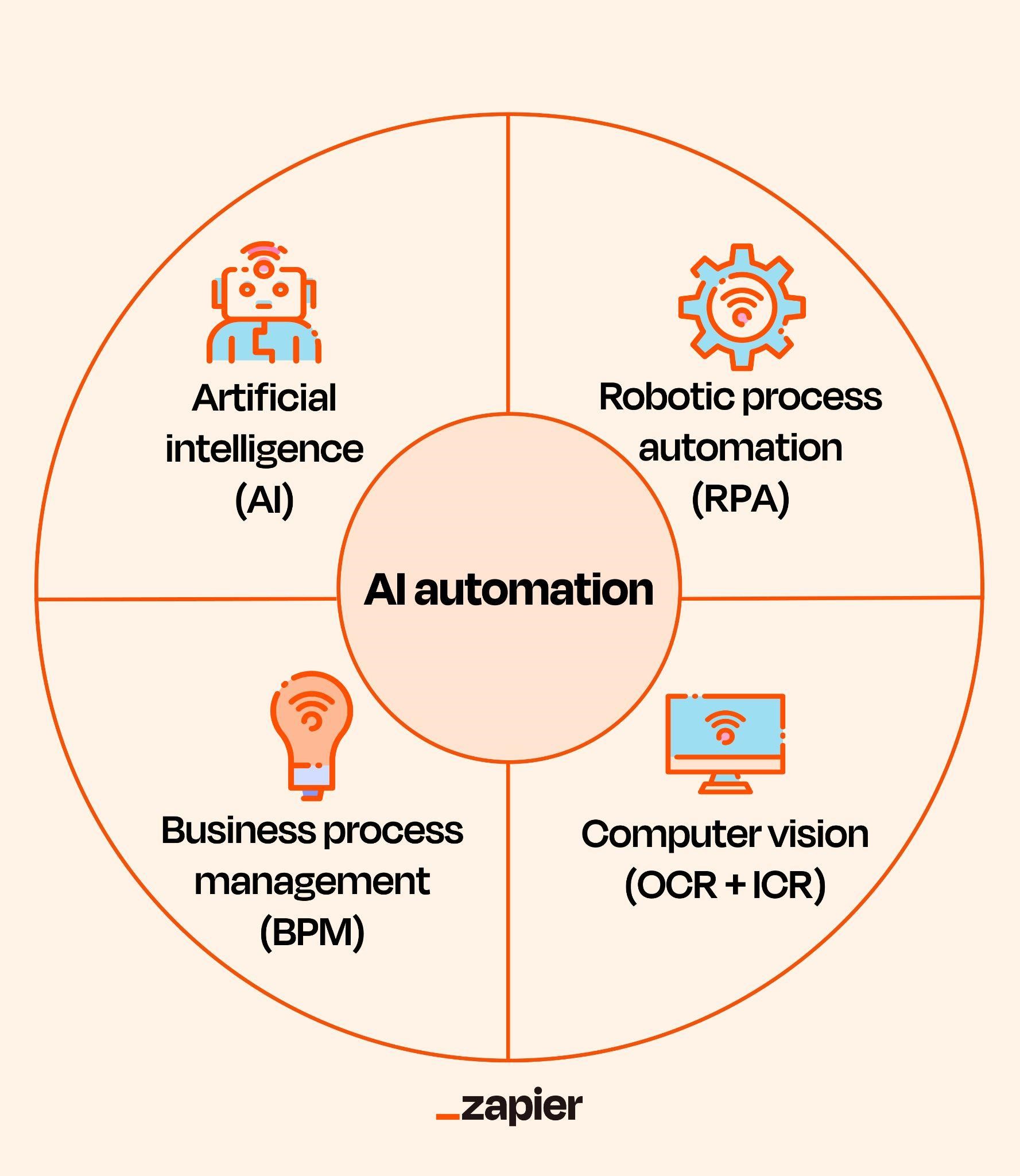
Now is a great time to improve data workflows, streamline manual tasks, and use platforms that support advanced analytics. Taking these steps will help organizations grow more efficiently in the years ahead.
3. Cloud, Data Centres, and Compute Power Will Become Non-Negotiable
By 2030, the global demand for computing power will rise sharply. McKinsey estimates that expanding data centres, cloud systems, and energy-efficient computing could require up to $6.7 trillion in investments worldwide (mckinsey).
Businesses that stick with old data centres or disconnected systems will face big challenges as digital needs grow. Moving to hybrid cloud, edge computing, and modern storage will be key to supporting AI, real-time analytics, and global growth.
Investing early helps organizations avoid the higher costs and risks associated with outdated systems. Technologies Will Become Practical Business Tools.
Technologies that are currently in early stages or considered experimental are likely to become standard business tools by 2030. Studies indicate rapid advancements in:
- 6G connectivity, providing ultrafast data transfer
- Extended Reality (XR) is transforming how companies train, collaborate, and support remote work- automation and predictive maintenance (worldecomag).
Companies should begin to see how these new technologies fit with their future plans. Adopting them early helps organizations test their value, try new uses, and prepare teams for the next wave of tools.
By 2030, digital transformation will be at the heart of business strategy, not just a short-term project or a single department’s job. KPMG reports that about 76% of business leaders now judge technology investments by strict cost-benefit and value standards (kpmg).
As a result, businesses need to:
- Modernise legacy systems
- Move from monolithic applications to modular platforms.
- Adopt agile operations
- Align technology outcomes directly with business KPIs
- Build a culture that supports constant change.
Transformation will become a continuous, data-driven process that is closely tied to revenue, efficiency, and growth.
4. Ecosystems and Partnerships Will Drive Innovation
Increasingly, innovation will depend on collaboration rather than just on a company's own strengths. More and more, innovation will rely on working together, not just on a company’s own strengths. A BCG study in The Times of India found that global centres investing in AI, microservices, and partnerships move faster and create more value.
- AI and data platform providers
- Universities and research labs
- Industry-specific solution partners
- Innovation hubs and incubators
Working within an ecosystem helps organizations bring products to market faster and share development costs, enabling them to innovate more quickly and safely.
5. Talent, Governance, and Organisational Models Will Transform Enterprises.
To unlock real value from technology, organizations need skilled people and strong governance. McKinsey says that future-ready companies will need new kinds of talent, ethical rules for AI, and flexible structures. Skills, leadership alignment, responsible AI governance, and workforce preparedness today will see better returns on their technology investments in the years leading up to 2030 (mckinsey).
6. Where Enterprises Should Focus Their Investments Today
As we move closer to 2030, companies should prioritise investments in:
- AI-ready data environments
- Cloud-native and edge-computing infrastructure
- Automated workflows and intelligent operations
- Emerging technologies that fit real business needs.
- Talent development and internal capability building
- Governance frameworks that support responsible AI
- Strategic partnerships and shared-innovation ecosystems
Focusing on these areas should give companies the biggest competitive edge in the future.
7. How GlobalTech Aligns With the 2030 Tech
While most of this article looks at global trends, this last section shows how GlobalTech Corporation is helping businesses get ready for 2030. GlobalTech’s mission matches the key factors shaping technology’s future. The company focuses on AI platforms, strong digital infrastructure, and new business models. Through its Centre of Excellence, GlobalTech helps organizations build the skills, systems, and governance they need for long-term change.
GlobalTech helps organizations prepare by improving data workflows and updating outdated systems. It offers solutions designed for growth, efficient operations, and smart decisions, all of which are key to success in 2030.
By bringing together partnerships, tech expertise, and a focus on innovation, GlobalTech helps businesses stay flexible, competitive, and ready for the next decade.
Organizations that begin their transformation now, with the right partners, will be best positioned to capitalize on future opportunities and reach their full potential.